Embarking on the journey of Quantitative Risk Assessment means moving beyond simple risk identification to truly understand and manage uncertainty.
This approach takes your understanding of quantified risks, measurements, and the use of probability distributions to build robust models that provide a clearer picture of your project's future.
We're making a significant shift from relying on simplistic singular planned values (like a project budget of $100 million which "doesn't consider all of the other alternatives or all those other... differences that happens that or risks that may happen that may affect this value eventually") or mere qualitative risk lists.
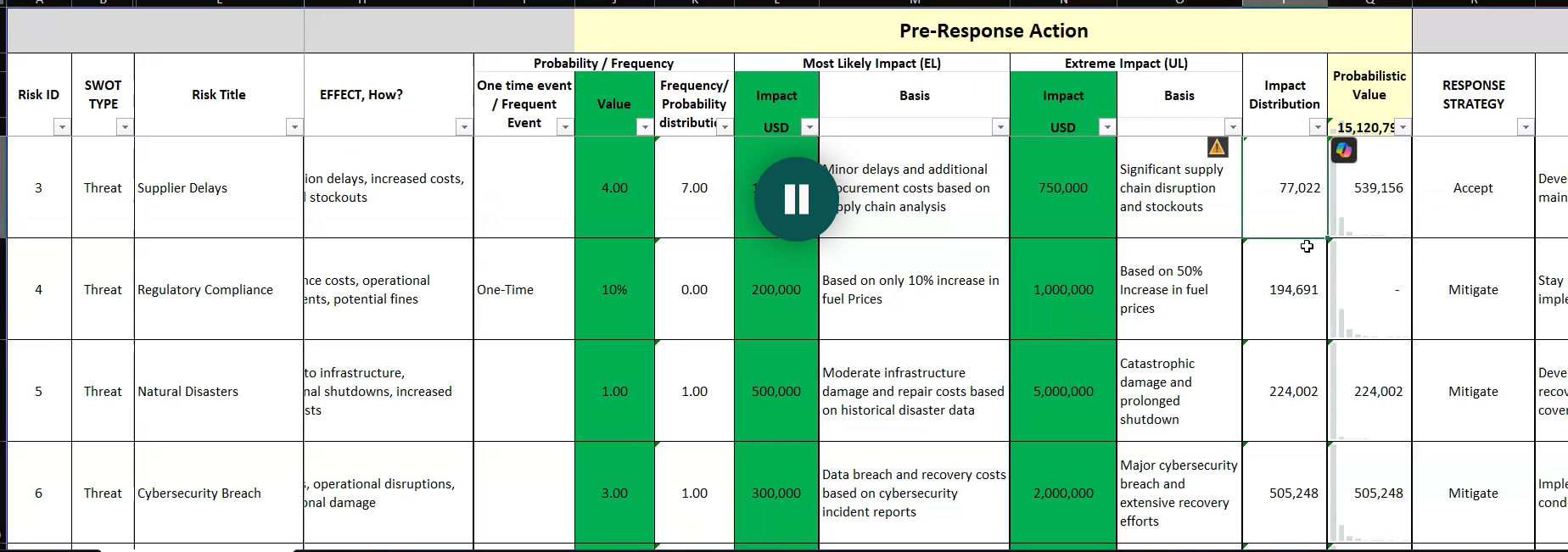
Figure 1: From Qualitative to Quantitative Risk Register - the transformation steps
Why a Single Number Won't Cut It in Quantitative Risk Assessment
In project management, it's common to set a single planned
value, such as a budget of $100 million for a project.
However, this singular
value is inherently limited. It "doesn't consider all of the other
alternatives or all those other... differences that happens that or risks that
may happen that may affect this value eventually".
A single number fails
to provide a realistic or comprehensive picture of what could truly happen.
This is precisely where the power of an aggregated, quantified risk register,
as part of a comprehensive Quantitative Risk Assessment, comes into play.
The Power of the Aggregated Quantitative Risk Register
It's about taking those identified uncertainties and
assigning quantified values to them.
The first crucial step in this process is
always to "identify the uncertain inputs".
These are things that are
not fixed, like the quantity of excavation or the productivity rates of welding
crews.
The main objective of building a Quantitative Risk Register as part of your
assessment is to create an "aggregated risk register that has quantified
values".
This allows us to "easily use it to quantify what is the
overall risk level that we are currently facing". Instead of just knowing
what the risks are, we now understand their combined potential impact.
The Role of Monte Carlo Simulation in Quantitative Risk Assessment
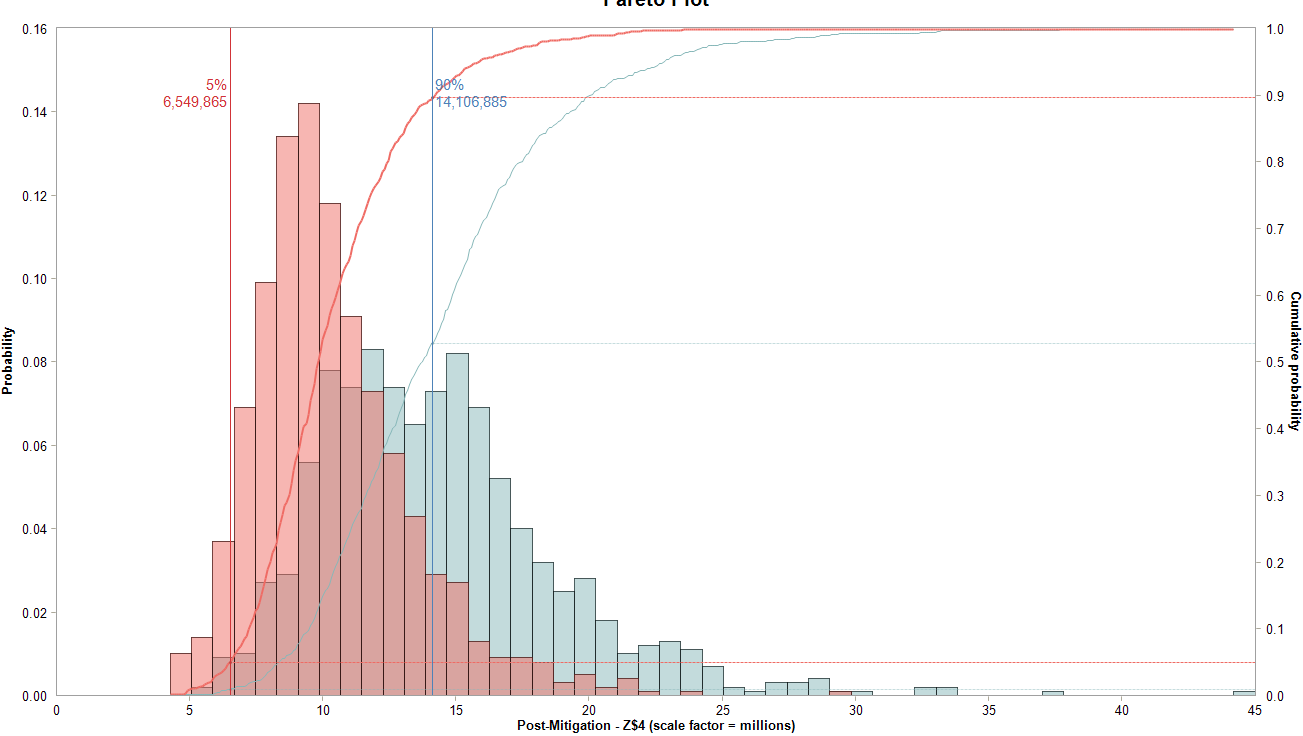
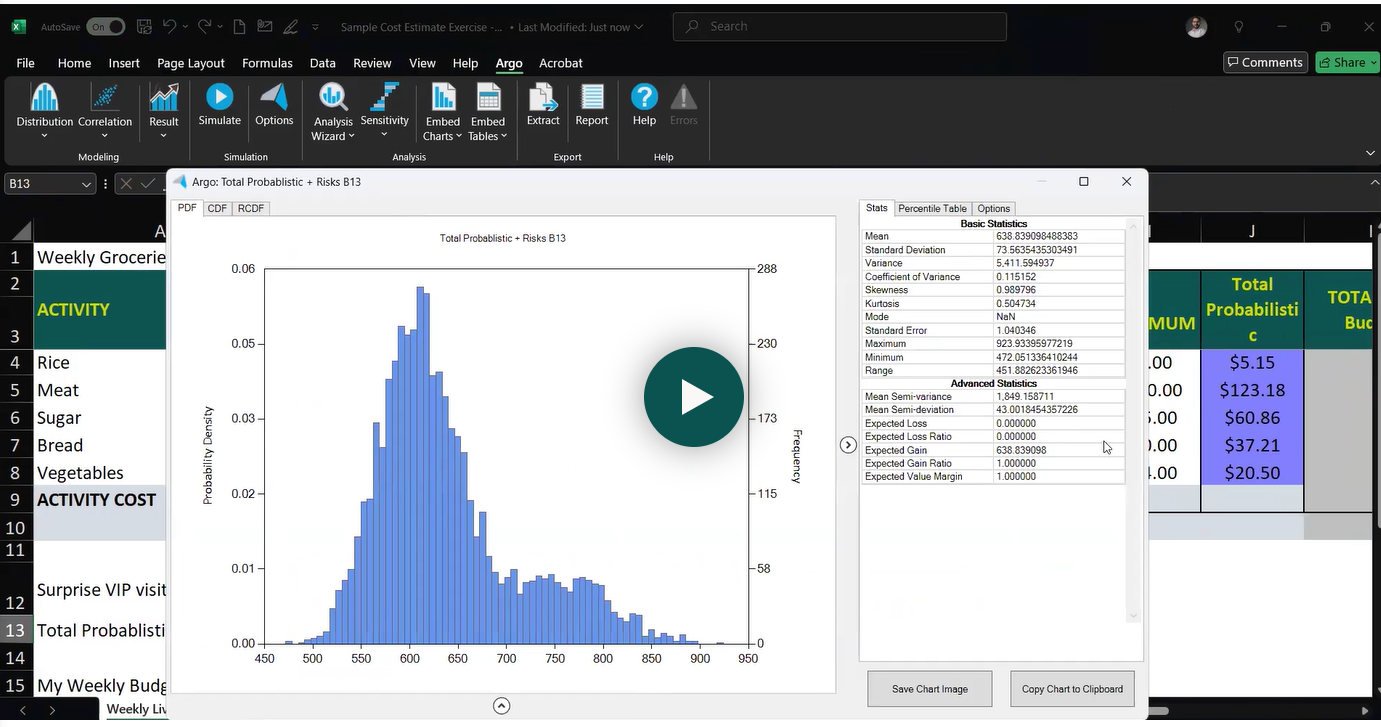
To achieve this aggregated view, Monte Carlo simulation is
key. Its "beauty" lies in performing "thousands and thousands of
iterations" – as if you are doing the same project "10,000 times and
every time we get a different budget every time, we get a different
schedule".
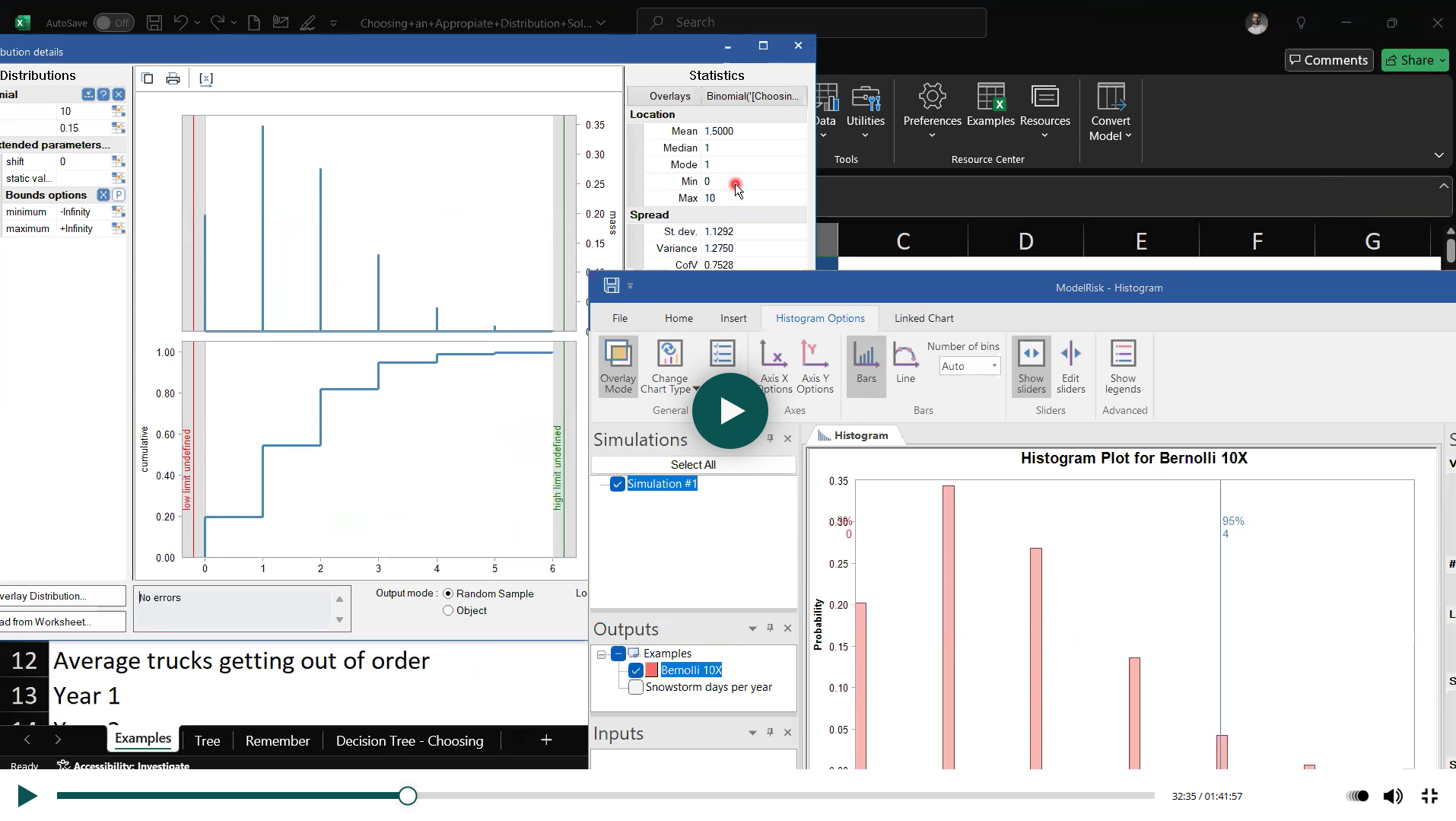
These uncertain inputs, defined with "estimated range of
values" and "probability distribution", are fed into a
"Monte Carlo simulation engine" that generate for us "thousands
of scenarios".
This powerful simulation is the engine that drives the
quantification within a comprehensive Quantitative Risk Assessment, ultimately
offering a "holistic picture about what the current situation is". For schedule-driven projects, see our schedule contingency reserve sizing guide.
Sizing Contingency and Reserves with Confidence Through Quantitative Risk Assessment
Join IQRM Newsletter
Learn More about Quantitative Risk Assessment
Thank you!
IQRM is a specialist institute for Quantitative Risk Management, delivering
Quantitative Schedule Risk Analysis (QSRA),
Quantitative Cost Risk Analysis (QCRA) and
Monte Carlo simulation training and consulting to major capital projects
across the United Kingdom, Saudi Arabia and the UAE.
Approved Saudi Aramco vendorADNOC approved consultant15+ years applied practice