QCRA Consultants: Expert Cost Risk Analysis Services (QCRA), Global & GCC
IQRM delivers Quantitative Cost Risk Analysis for operators, EPCs, and programme owners. Monte Carlo cost models built on evidence, contingency you can defend at the board, and reporting written for sanction reviews, not just risk registers.
What does a QCRA consultant do?
A QCRA (Quantitative Cost Risk Analysis) consultant converts your deterministic cost estimate into a probability distribution of possible outcomes. Instead of a single number and a gut-feel percentage on top, you get a cost S-curve: the probability of any final cost, the drivers behind it, and a contingency figure tied to a confidence level your board can interrogate.
The difference between a QCRA consultant and an estimator: the estimator tells you what the project should cost. The QCRA consultant tells you how confident you can be in that number, what could move it, and by how much.
When should you commission a QCRA?
At sanction and FID
Boards and lenders increasingly require probabilistic cost forecasts, not single-point estimates with a flat percentage on top.
When the CFO asks "why 10%?"
If your contingency policy is a fixed percentage, the first serious challenge exposes it. QCRA replaces "that is what we always use" with a traceable P80.
At major change or re-baseline
Scope growth, market escalation, or schedule slip invalidate the original contingency basis. The model is rebuilt on current evidence.
How our QCRA consulting process works
Estimate Health Check
We test the cost estimate's structure before modelling anything: basis of estimate, line-item maturity, allowances vs contingency, escalation treatment. A weak estimate produces a decorative S-curve. We fix the foundation first.
Risk Data Engine (RDE™) calibration
Uncertainty ranges and risk events are calibrated from evidence: procurement records, quotations, historical outturn data, market indices. Not from a two-hour workshop of gut feel.
Risk mapping
Risk register events are mapped to the cost breakdown structure with explicit frequency and severity, including correlation between packages that move together.
Monte Carlo simulation
The model runs in the tool that fits your environment: Safran Risk cost module, Argo, @Risk, or ModelRisk. Iterations, convergence, and seed settings documented so results are reproducible under audit.
Executive output
Cost S-curve, P50/P80/P90 table, tornado of cost drivers, contingency drawdown basis, and a board-ready narrative. Numbers your programme director can defend without us in the room.
The value: three deliverables
1. A defensible contingency number
Contingency = (P-level cost from QCRA) minus (deterministic base estimate), at the confidence level your risk appetite demands. Traceable, documented, audit-ready.
2. The cost driver tornado
The ranked list of what actually threatens the budget, so mitigation spend goes where the model says it matters, not where the loudest voice points.
3. A board-ready report
Written for sanction committees and lenders. Method, inputs, results, and recommendation in language a non-analyst can challenge and approve.
Common mistakes in cost risk analysis
- Flat percentage contingency applied to every project regardless of risk profile
- Uncertainty ranges elicited in a workshop and never validated against data
- Correlation ignored, which understates the tails exactly where boards care most
- Cost modelled in isolation from schedule, missing prolongation, the largest cost risk on most delayed projects
- Results presented as a histogram with no drawdown plan, so contingency becomes a slush fund
IQRM's consulting experience
Approved Saudi Aramco vendor. ADNOC approved consultant. Delivery across KSA, UAE, Qatar, Oman, Kuwait, Bahrain, the UK, and the US. Engagements led personally by Rami Salem, IQRM's founder, with 15+ years in quantitative risk on oil and gas, EPC, and infrastructure programmes.
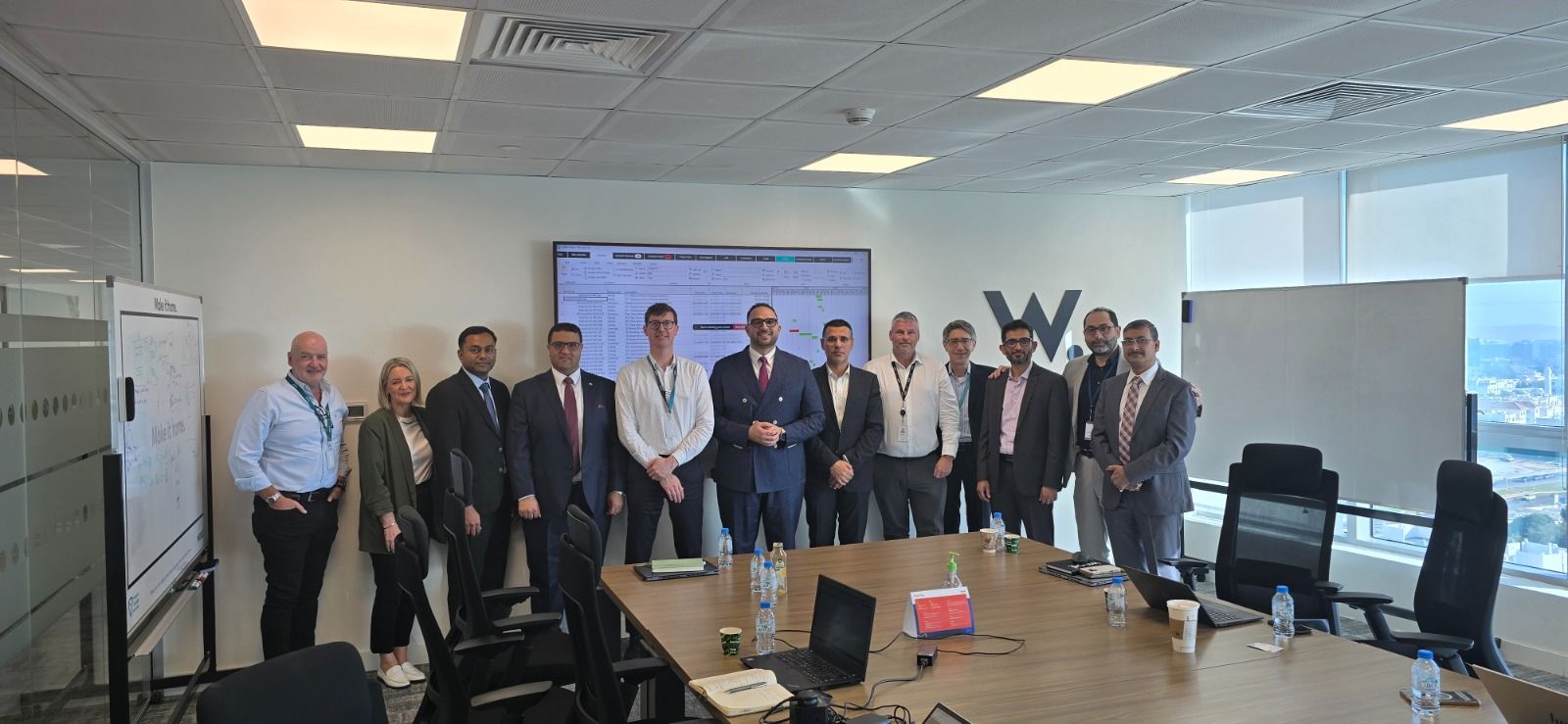
Where this work actually happens
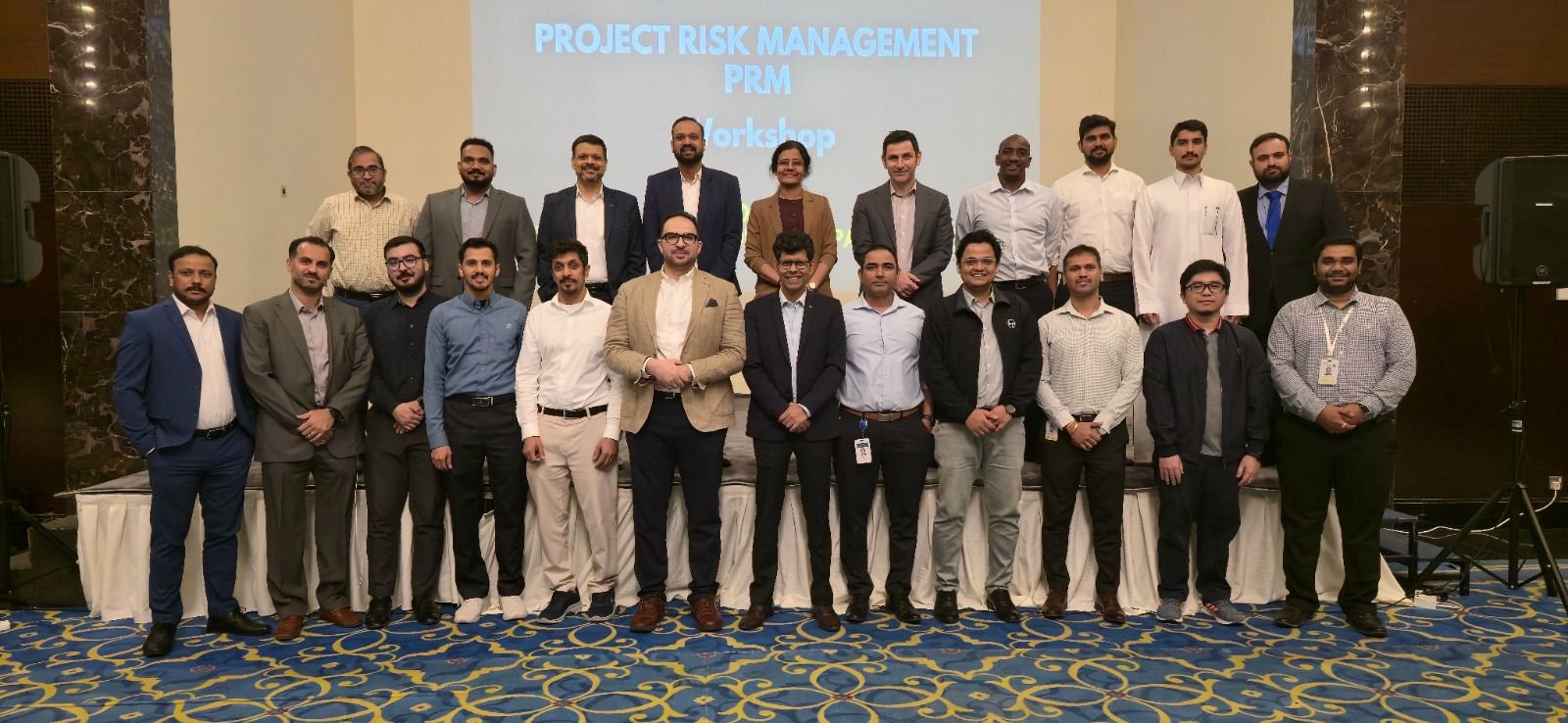
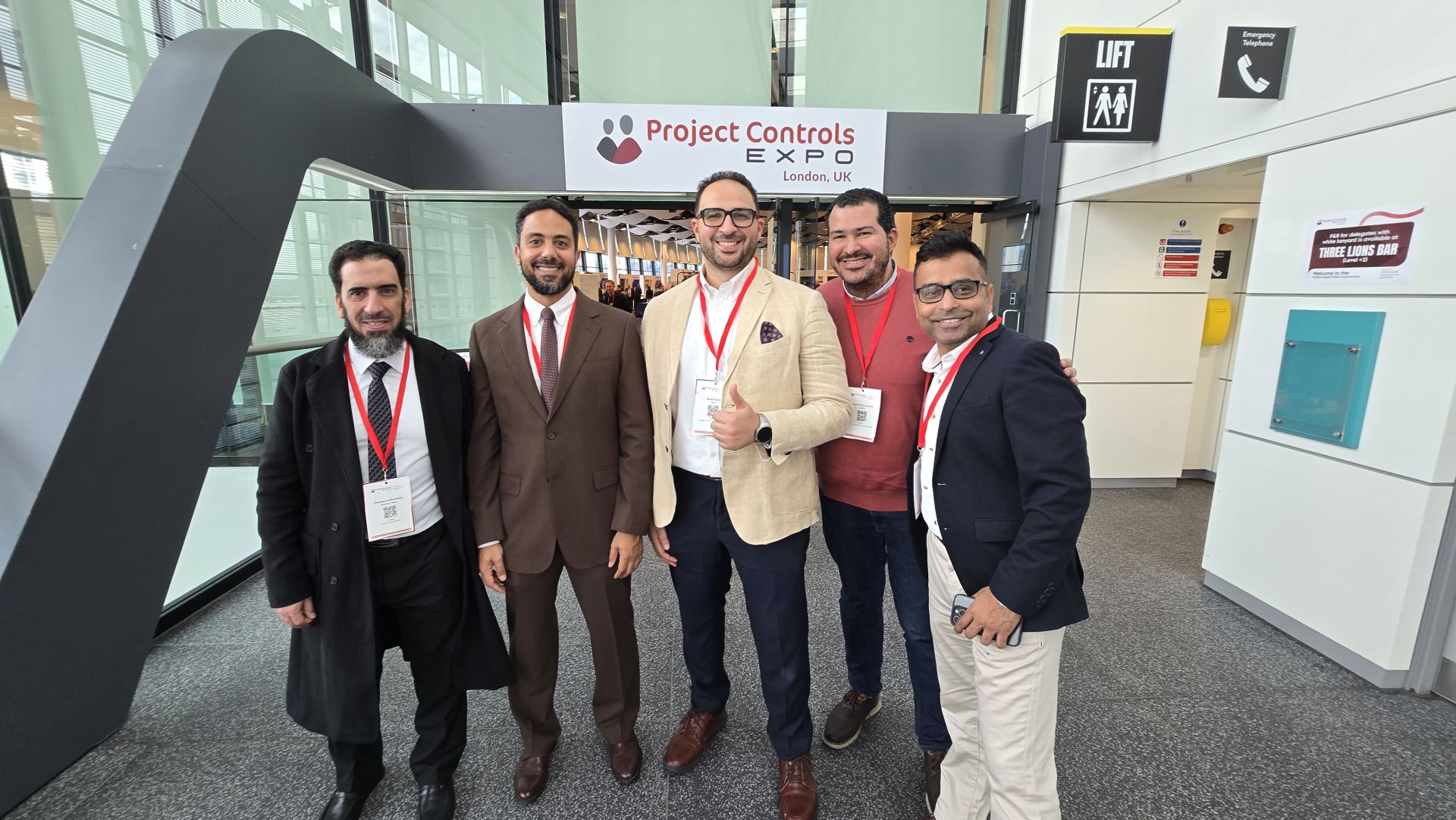
Cost risk analysis is decided in rooms like these: with the project controls team, the estimate on the wall, and a board asking how the contingency was derived.
Frequently asked questions
- How long does a QCRA take?
- A first pass on a mid-size project takes 2 to 4 weeks if the cost estimate is clean and the risk register is mature. Most of the time goes into input calibration and stakeholder validation, not the simulation itself.
- What software do you use?
- Safran Risk's cost module, Argo, @Risk, and ModelRisk. The tool follows your environment; the method is the same.
- What do you need from us to start?
- The current cost estimate with basis of estimate, the risk register, procurement status, and access to whoever owns the numbers. The Estimate Health Check tells us within days whether the foundation supports a defensible QCRA.
- Is QCRA the same as contingency sizing?
- QCRA is the method; contingency sizing is one output. The same model also supports funding decisions, lender stress tests, bid pricing, and change evaluation.
- Can you integrate with our QSRA?
- Yes. If we have delivered or reviewed your schedule risk analysis, the cost model links to it directly for a Joint Confidence Level view.
Ready to replace "10% because we always use 10%"?
Book a free QCRA Clarity Call. 30 minutes, your estimate and your questions, no obligation.
Get your free QCRA Clarity Call
IQRM is a specialist institute for Quantitative Risk Management, delivering Quantitative Schedule Risk Analysis (QSRA), Quantitative Cost Risk Analysis (QCRA) and Monte Carlo simulation training and consulting to major capital projects across the United Kingdom, Saudi Arabia and the UAE.
QRM Training
Consulting
Knowledge Hub
QSRA on UK Major Projects
United Kingdom
QSRA & QCRA training and consulting for UK infrastructure, nuclear and energy programmes.
QSRA Training UK
rs@iqrm.net
United Arab Emirates
Rolex Tower, Sheikh Zayed Road, Dubai
+971 50 362 5784
QSRA Training UAE
Saudi Arabia
Riyadh delivery for giga-projects and Vision 2030 programmes.
QSRA Training Saudi Arabia
rs@iqrm.net